
Home Conditions We Treat Low Testosterone & Andropause
Low Testosterone & Andropause
You’re not just slowing down. When your energy, drive, strength or focus fade, low testosterone is often the reason, and it’s more treatable than most men are told.
What is low testosterone?
Low testosterone means your body has less usable testosterone than it needs to feel and function well. Levels fall gradually with age, and stress, poor sleep and metabolic health can push them lower, sooner. It’s common, it’s measurable, and it’s worth looking into, whether you’re 35 or 65.
At a glance
Who it often affects
Men from their mid-30s on, especially those under long-term stress, sleeping poorly or carrying more weight around the middle
What it can feel like
Fatigue, low drive, brain fog, a softer middle, slower recovery
What we look at
Hormones, thyroid and metabolic markers together
How care works
Telehealth, with a provider who stays with you
What are the signs of low testosterone?
The most common signs are tiredness that sleep doesn’t fix, lower sex drive, losing muscle and a shorter fuse. You don’t need every symptom; a few is reason enough to check.
- Persistent fatigue, even after a full night’s sleep
- Low sex drive or fewer morning erections
- Erections that aren’t as strong or reliable
- Losing muscle, or struggling to build it back
- Stubborn weight gain, especially around the middle
- Brain fog or trouble concentrating
- Low motivation, drive or competitive edge
- Irritability, low mood or a shorter fuse
- Restless or unrefreshing sleep
- Longer recovery and more aches after workouts
- Feeling older than your age
Recognize a few of these? Take the 2-minute quiz.
What causes testosterone to drop?
Age is part of it. In long-term studies of men, total testosterone fell about 1 to 2 percent a year, and the testosterone your body can actually use fell faster, about 2 to 3 percent a year.[1] For many men, though, the drop is steeper than age alone explains.
The main reason usable testosterone falls faster is a protein called SHBG. It rises with age and binds more testosterone, leaving less available to your body.[2]
Everyday factors matter too. In one study, a single week of sleeping five hours a night lowered daytime testosterone in healthy young men by 10 to 15 percent.[3] Long-term stress, rising body fat, insulin resistance, thyroid changes and some medications can also lower testosterone or blunt how your body responds to it. Over time, low levels can affect bone density and long-term health, not just how you feel day to day.[5]
Is feeling this way just normal for my age?
Common isn’t the same as normal for you. Many men are told their testosterone is “in range,” but that range is built from men of every age and health status. A number can be in range and still be low for you.
Getting older is inevitable. Feeling worse every year doesn’t have to be.
Standard care often checks a single total testosterone number and stops there. We look at how that number fits with free testosterone, SHBG, thyroid and metabolic health, and with how you actually feel. You’re never too young to know your baseline, or too old to rebuild your energy and drive.
How is low testosterone diagnosed?
Diagnosis combines your symptoms with blood tests, usually more than one, because testosterone levels vary through the day.[2][5] A useful picture takes more than one number. These are the markers that matter most.
| Marker | What it tells you | Why it matters here |
|---|---|---|
| Total testosterone | All the testosterone in your blood | The starting point, but only part of the story |
| Free testosterone | The share your body can use | Can be low even when the total looks normal |
| SHBG | The protein that binds testosterone | Rises with age and lowers what’s available |
| Estradiol | A form of estrogen men need in balance | Affects mood, body fat and libido |
| LH and FSH | The brain’s signals to make testosterone | Help show where the drop is coming from |
| Thyroid markers | How your metabolism is being regulated | Thyroid issues can mimic or worsen low testosterone |
| Metabolic markers | Blood sugar and insulin health | Insulin resistance and testosterone affect each other |
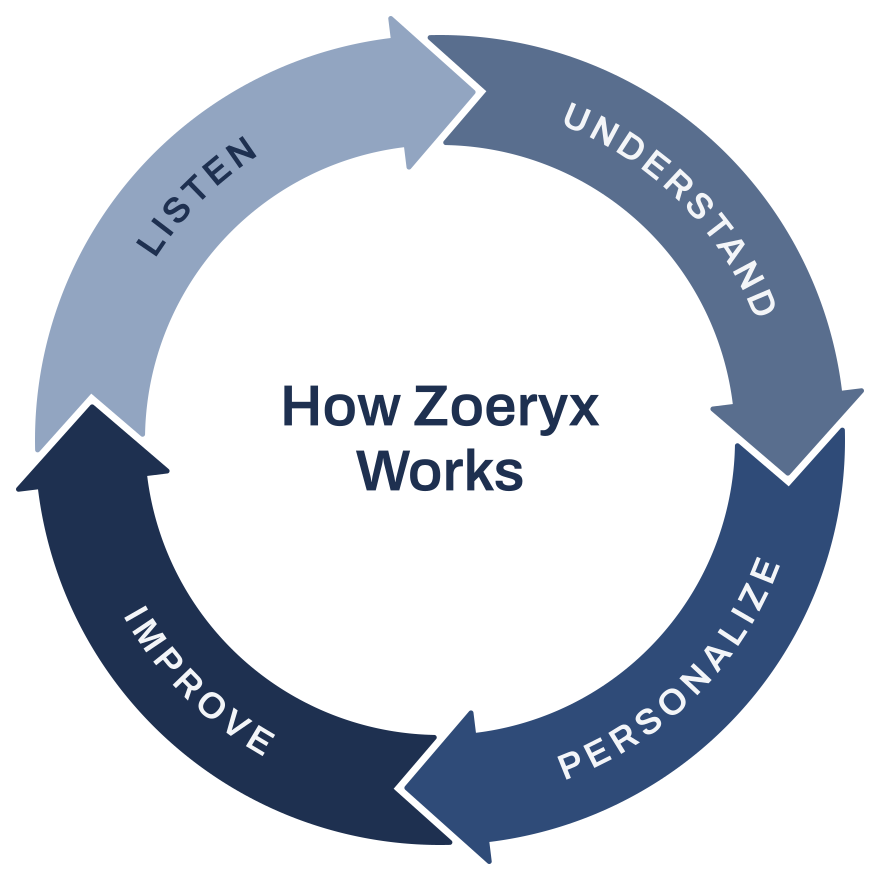
Every Zoeryx pathway starts with listening to how you feel and understanding your biology to build a personalized treatment plan to help improve how you feel. Learn about Era One
What are the treatment options for low testosterone?
Low T treatment aims to help you feel like yourself again: steadier energy, a stronger drive and the strength to keep training. Options may include testosterone replacement therapy given as injections, fertility-sparing medications and peptide therapy for some men, along with changes to the sleep, body fat and stress that can also reduce testosterone levels. Your therapy combination depends on your labs, symptoms, goals and whether maintaining fertility matters to you.
| Approach | How it may help | Often a fit for |
|---|---|---|
| Testosterone replacement therapy (TRT), usually by injection | Brings low testosterone back into a healthy range, which may ease fatigue, low drive and muscle loss | Men whose labs and symptoms both point to low testosterone |
| Fertility-sparing medications | Encourage your body to make more of its own testosterone instead of replacing it | Men who want to protect fertility, or aren’t ready for replacement therapy |
| Peptide therapy, such as sermorelin | Supports the body’s own growth-hormone signaling, which may help recovery, sleep and body composition | Men focused on recovery or body composition alongside hormone care |
| NAD+ (injections or nasal spray) | May support cellular energy | Men whose fatigue lingers while hormones are being addressed |
| Metabolic Support | Losing excess body fat and improving insulin health may help testosterone levels recover | Men carrying weight around the middle or with insulin resistance |
| Sleep, strength and stress | Short sleep lowers testosterone;[3] strength training and stress control support healthy levels | Every man, at every stage of care |
How Zoeryx brings it together
When your Era One labs and symptoms confirm low testosterone, our core path is testosterone replacement therapy as injections, adjusted as your body responds. If recovery or body composition is part of your goals, your provider may add peptide therapy or NAD+. Because sleep, body fat and stress all can lower testosterone, your plan addresses those too.
Your labs are drawn first at a site near you, then your provider meets you by video, and treatment ships to your door.
Good to know
Standard testosterone therapy can lower sperm production. If you’re planning to have children, tell us up front so your provider can talk through options that protect fertility.
When should you see a provider about low testosterone?
See a provider if low energy, low drive or changes in erections last more than a few weeks, or if you’re losing muscle without a clear reason. Get care in person promptly for chest pain, shortness of breath, or a new lump, swelling or pain in a testicle.
Is andropause real?
Not the way menopause is. Men don’t go through a sudden hormonal shutdown; testosterone declines gradually. When that decline is low enough to cause symptoms, clinicians call it testosterone deficiency or late-onset hypogonadism. “Andropause” is the everyday name for that experience.[4][5]
What’s the difference between total and free testosterone?
Total testosterone is everything in your blood. Free testosterone is the small share your body can use right away. Because SHBG binds more testosterone as you age, free levels can be low even when your total looks normal, which is why we look at both.[1]
Is low testosterone a hormone imbalance?
Yes. Low testosterone is a hormone imbalance, and it rarely travels alone: SHBG, estradiol, thyroid and insulin often shift with it, which is why we test them together.
Frequently asked questions
Can low testosterone be treated through telehealth?
Yes. Your care happens online, and your consultation with a provider is by live video. If therapy is part of your plan, it’s shipped directly to your door, and your care team stays with you over time, adjusting your plan as you go.
Does Zoeryx offer TRT?
Yes. When your labs and symptoms point to low testosterone, testosterone replacement therapy may be part of your plan. Your provider decides whether it’s right for you, walks you through the options and monitors how you respond. It isn’t right for everyone, including men who are trying to conceive.
Do I need labs before my first visit?
Yes. Hormone care starts with Era One, which includes a comprehensive health and hormone panel, so your provider sees the full picture before recommending anything.
Am I too young or too old to get checked?
Neither. You’re never too young to know your baseline, or too old to rebuild your energy and drive. Knowing your levels isn’t a commitment to treatment; it’s knowing where you stand.
How is Zoeryx different from my primary care doctor?
Primary care is essential, and we don’t replace it. We go deeper on your hormones: more time to listen, a wider panel of labs and a provider who adjusts your plan as you change. Many patients keep their primary care doctor and use Zoeryx alongside.
Is Zoeryx covered by insurance?
Zoeryx is a cash-pay practice and doesn’t bill insurance. That lets us spend the time your care deserves, look deeper than a standard visit allows and build a plan around you, not around coverage rules.
Your next era starts with your biology.
Personalized health care begins with understanding where you are today. We’ll help you connect the dots, build a plan around your goals, and track your progress over time.
Start with Era One.
Complete your health intake and book Era One, which includes your comprehensive lab panel and extended one-on-one provider consultation for one payment.
Get your labs drawn.
Visit a Quest Diagnostics location near you for your blood draw. Your results provide the foundation for a deeper look at your health and are available to you and your provider.
Meet your provider.
A one-on-one video visit to review your results, discuss your symptoms and goals, and build a personalized care plan around your health and priorities.
Start your plan.
Your prescribed therapies arrive discreetly at your door from licensed pharmacies, with clear instructions for getting started.
A plan that changes as you do.
Your biology keeps changing, so your care should evolve with it. We monitor your progress, check in on how you’re feeling, review your labs as appropriate, and adjust your plan as your needs change.
References
1. Feldman HA, et al. Age trends in the level of serum testosterone and other hormones in middle-aged men: longitudinal results from the Massachusetts Male Aging Study. J Clin Endocrinol Metab. 2002;87(2):589–598. doi.org/10.1210/jcem.87.2.8201
2. Bhasin S, et al. Testosterone therapy in men with hypogonadism: an Endocrine Society clinical practice guideline. J Clin Endocrinol Metab. 2018;103(5):1715–1744. doi.org/10.1210/jc.2018-00229
3. Leproult R, Van Cauter E. Effect of 1 week of sleep restriction on testosterone levels in young healthy men. JAMA. 2011;305(21):2173–2174. doi.org/10.1001/jama.2011.710
4. Mulhall JP, et al. Evaluation and management of testosterone deficiency: AUA guideline. J Urol. 2018;200(2):423–432. doi.org/10.1016/j.juro.2018.03.115
5. Cleveland Clinic. Low testosterone (male hypogonadism). my.clevelandclinic.org/health/diseases/15603-low-testosterone-male-hypogonadism