
Home Conditions We Treat Brain Fog & Mental Clarity
Brain Fog & Mental Clarity
Losing words, rereading the same email, walking into a room and forgetting why. Brain fog is real, it’s common in midlife, and it usually has causes you can look into.
What is brain fog?
Brain fog isn’t a medical diagnosis. It’s a name for a group of symptoms that affect memory, focus and mental sharpness.[1] It often comes from things you can measure, such as hormone changes, thyroid, low B12, blood sugar swings or poor sleep.
At a glance
Who it often affects
Men and women in midlife, especially during hormone changes
What it can feel like
Forgetfulness, losing words, slower thinking, trouble focusing
What we look at
Hormones, thyroid, B12, iron and blood sugar together
How care works
Telehealth, with a provider who stays with you
What are the signs of brain fog?
The most common signs are forgetfulness, trouble finding words, slower thinking and losing focus. Many people describe feeling like their mind is running a step behind.
- Forgetting words or names mid-sentence
- Rereading things to absorb them
- Losing your train of thought
- Trouble focusing for long stretches
- Feeling mentally slow or fuzzy
- Forgetting why you walked into a room
- Mental fatigue by mid-afternoon
- Feeling less sharp at work
- Trouble multitasking
Recognize a few of these? Take the 2-minute quiz.
What causes brain fog?
Brain fog usually has more than one cause. Common ones include poor sleep, stress, hormone changes, blood sugar swings, thyroid problems and nutrient gaps such as low vitamin B12.[1][3][4]
Hormones play a big role in midlife. In a large study of midlife women, scores on memory and processing-speed tests stopped improving the way they normally do during perimenopause, then bounced back after menopause.[2] In men, falling testosterone is linked to lower focus and drive.
Sleep is essential for memory and focus, and adults need at least seven hours a night.[5] Because these causes overlap, we look at them together.
Is brain fog just part of getting older?
No. Some changes in memory come with age, but persistent fog that affects your work or confidence is worth looking into, because the causes are often treatable.
Midlife brain fog is common. It’s also worth a closer look.
Standard care often stops at “you’re just busy” or “it’s stress.” We look at hormones, thyroid, nutrients and sleep together to find what’s clouding your thinking.
How is the cause of brain fog diagnosed?
Brain fog isn’t diagnosed on its own. Your provider looks for what’s causing it, starting with your history and a panel that covers the most common causes.
| Marker | What it tells you | Why it matters here |
|---|---|---|
| Thyroid markers | How your metabolism is regulated | An underactive thyroid can slow thinking |
| Vitamin B12 | A nutrient for nerves and the brain | Low levels can affect memory and focus |
| CBC and ferritin | Red blood cells and iron stores | Low iron means less oxygen reaching the brain |
| Glucose, A1c and insulin | How your body manages blood sugar | Blood sugar swings can cause foggy spells |
| Sex hormones | Estrogen, progesterone and testosterone | Shifts are linked to changes in memory and focus |
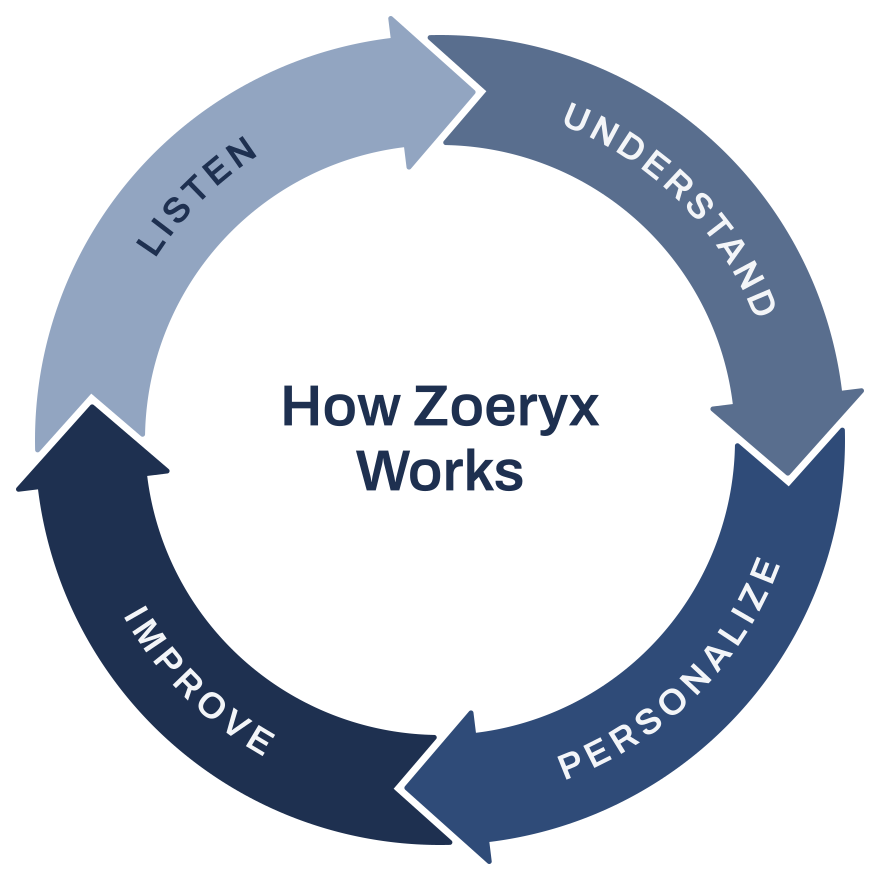
Every Zoeryx pathway starts with listening to how you feel and understanding your biology to build a personalized treatment plan to help improve how you feel. Learn about Era One
What are the treatment options for brain fog?
Brain fog treatment aims to bring back the clear, quick thinking you’re used to by finding what’s clouding it, often in your labs, and many people have more than one cause. Options may include hormone replacement therapy for perimenopause or menopause, testosterone replacement therapy, thyroid support, correcting low B12 or iron, and steadier blood sugar and sleep. For some people, peptide therapy or NAD+ may also support focus and mental energy.
| Approach | How it may help | Often a fit for |
|---|---|---|
| Hormone replacement therapy (HRT) | Steadying estrogen and progesterone can ease the memory lapses and fog that often come with perimenopause | Women whose brain fog started with hormonal changes |
| Testosterone replacement therapy (TRT) | Bringing low testosterone back into range may help focus and drive | Men whose brain fog comes with low drive or fatigue |
| Peptide therapy, such as Semax or Selank | Being studied for focus and stress response | Ongoing fog once other causes are addressed |
| NAD+ (injections or nasal spray) | May support cellular and mental energy | Fog that travels with fatigue |
| Thyroid support | Treats an underactive thyroid that can slow thinking | Fog with fatigue, feeling cold or weight gain |
| B12 and iron repletion (oral or injection) | Corrects deficiencies that affect memory and focus | When labs show low levels |
| GLP-1 medications | Steadier blood sugar can reduce foggy spells | Fog after meals, or signs of insulin resistance |
| Sleep and stress | Sleep is when the brain consolidates memory, and stress crowds out focus | Everyone |
How Zoeryx brings it together
Our core path starts with finding what’s clouding your thinking in your Era One labs, then treating it, whether that’s hormones, thyroid or nutrients. Because brain fog often has more than one cause, your plan may combine two or three of these, and your provider may add peptide therapy or NAD+ once the basics are covered.
Your labs are drawn first at a site near you, then your provider meets you by video, and treatment ships to your door.
When should you see a provider about brain fog?
See a provider if brain fog lasts more than a few weeks or affects your work or relationships. Get emergency care right away for sudden confusion, trouble speaking, weakness or numbness on one side of the body, or a sudden severe headache, which can be signs of a stroke.
Is brain fog a sign of dementia?
Usually not. In midlife, brain fog is far more often linked to sleep, stress, hormones, thyroid or nutrients. Memory changes that are sudden, getting steadily worse, or affecting everyday tasks like managing money or finding your way should be checked in person by a doctor.
Can hormones cause brain fog?
Yes. Brain fog is one of the most common symptoms of perimenopause, and research shows memory and processing-speed scores can stall during the transition and recover afterward.[2] Low testosterone can also affect focus in men.
Frequently asked questions
Can brain fog be treated through telehealth?
Yes. Your care happens online with a licensed provider, by video. If treatment is part of your plan, it’s shipped directly to your door, and your care team stays with you, adjusting your plan as you go.
What if it’s anxiety or depression?
Mood and brain fog often travel together. We look at the physical contributors, and if your provider thinks mental health support would help, they’ll help you connect with the right care.
Do I need labs before my first visit?
Usually. Most care starts with Era One, which includes a comprehensive health and hormone panel, so your provider sees the full picture before recommending anything. For some care, your provider may start with a consultation and order only the labs you need.
How is Zoeryx different from my primary care doctor?
Primary care is essential, and we don’t replace it. We go deeper on the causes of brain fog: more time to listen, a wider panel of labs and a provider who adjusts your plan as you change. Many patients keep their primary care doctor and use Zoeryx alongside.
Is Zoeryx covered by insurance?
Zoeryx is a cash-pay practice and doesn’t bill insurance. That lets us spend the time your care deserves, look deeper than a standard visit allows and build a plan around you, not around coverage rules.
Your next era starts with your biology.
Personalized health care begins with understanding where you are today. We’ll help you connect the dots, build a plan around your goals, and track your progress over time.
Start with Era One.
Complete your health intake and book Era One, which includes your comprehensive lab panel and extended one-on-one provider consultation for one payment.
Get your labs drawn.
Visit a Quest Diagnostics location near you for your blood draw. Your results provide the foundation for a deeper look at your health and are available to you and your provider.
Meet your provider.
A one-on-one video visit to review your results, discuss your symptoms and goals, and build a personalized care plan around your health and priorities.
Start your plan.
Your prescribed therapies arrive discreetly at your door from licensed pharmacies, with clear instructions for getting started.
A plan that changes as you do.
Your biology keeps changing, so your care should evolve with it. We monitor your progress, check in on how you’re feeling, review your labs as appropriate, and adjust your plan as your needs change.
References
1. Cleveland Clinic. Brain fog: what it is, causes, symptoms and treatment. my.clevelandclinic.org/health/symptoms/brain-fog
2. Greendale GA, et al. Effects of the menopause transition and hormone use on cognitive performance in midlife women. Neurology. 2009;72(21):1850–1857. doi.org/10.1212/WNL.0b013e3181a71193
3. NIH Office of Dietary Supplements. Vitamin B12: fact sheet for health professionals. ods.od.nih.gov/factsheets/VitaminB12-HealthProfessional/
4. National Institute of Diabetes and Digestive and Kidney Diseases. Hypothyroidism (underactive thyroid). www.niddk.nih.gov/health-information/endocrine-diseases/hypothyroidism
5. Centers for Disease Control and Prevention. FastStats: sleep in adults. www.cdc.gov/sleep/data-research/facts-stats/adults-sleep-facts-and-stats.html