
Home Conditions We Treat Low Libido & Women's Sexual Health
Low Libido & Women’s Sexual Health
Wanting to want it again is a real goal, not a small one. Changes in desire, arousal or comfort are common in midlife, often have a hormonal or medical cause, and are worth bringing up.
What causes low libido in women?
Low libido in women is a drop in sexual desire that bothers you. It often has more than one cause: hormone shifts in perimenopause and menopause, vaginal dryness or pain, medications such as some antidepressants, stress, fatigue and relationship strain.[1] In a large U.S. survey, about 4 in 10 women reported a sexual problem, and about 1 in 5 said it caused them distress.[2]
At a glance
Who it often affects
Women of any age, especially in perimenopause, menopause or after having children
What it can feel like
Little interest in sex, harder arousal, dryness or pain, less satisfaction
What we look at
Hormones, thyroid, iron and current medications together
How care works
Private telehealth, with a provider who stays with you
What are the signs of low libido in women?
The most common signs are little interest in sex, fewer sexual thoughts and finding arousal harder than it used to be. Dryness or pain often travels with it, and it matters most when the change bothers you.
- Little or no interest in sex
- Rarely having sexual thoughts
- Taking longer to feel aroused
- Vaginal dryness
- Pain or discomfort during sex
- Harder to reach orgasm
- Avoiding intimacy
- Feeling distressed or disconnected about the change
- Fatigue or low mood that leaves no room for desire
Recognize a few of these? Take the 2-minute quiz.
Why does sex drive drop in women?
Hormones are a big part of it. Falling estrogen in perimenopause and menopause can lower desire and cause vaginal dryness and painful sex, which makes intimacy harder to want.[1]
Medications, especially some antidepressants, can lower desire. So can chronic conditions such as diabetes and high blood pressure, fatigue, and stress from work, money or caregiving.[1]
Desire is part body and part mind. Relationship strain, body image and past experiences matter too. We focus on the physical causes that are often missed, and help you connect with counseling when it would help.
Is losing interest in sex just part of getting older?
Desire does change across life, but losing it isn’t something you have to accept, especially when it bothers you. Many women never raise it, and many providers never ask.
Wanting to want it again is reason enough to ask.
We ask, we listen, and we look at the physical causes that are often missed, from hormones and dryness to medications, sleep and stress.
How is low libido in women diagnosed?
Mainly through a conversation about what’s changed and how it affects you. A blood testosterone level alone can’t diagnose low desire,[3] but labs help find what’s contributing.
| Marker | What it tells you | Why it matters here |
|---|---|---|
| Estradiol | Your main estrogen | Low levels can cause dryness and painful sex |
| Testosterone (total and free) | Women make and need it too | Gives context for low desire, but can’t diagnose it on its own |
| SHBG | The protein that binds sex hormones | High levels leave less testosterone available |
| Thyroid markers | How your metabolism is regulated | An underactive thyroid can lower desire and energy |
| Prolactin | A hormone from the pituitary gland | High levels can lower desire |
| CBC and ferritin | Red blood cells and iron stores | Low iron drains energy, which crowds out desire |
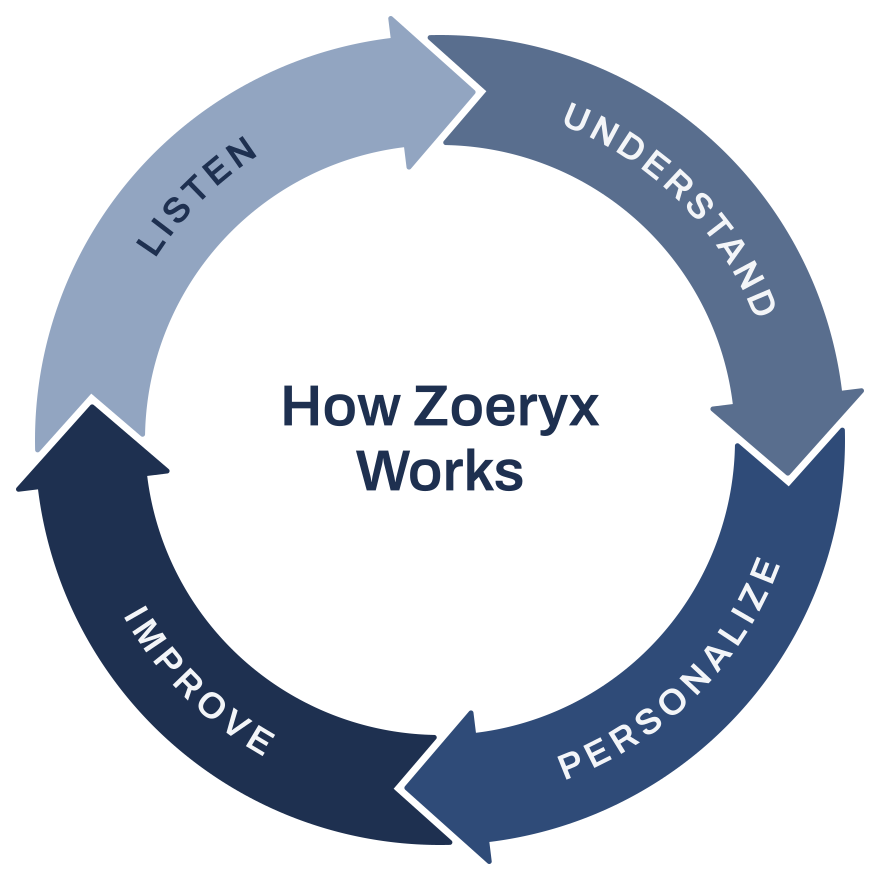
Every Zoeryx pathway starts with listening to how you feel and understanding your biology to build a personalized treatment plan to help improve how you feel. Learn about Era One
What are the treatment options for low libido in women?
Low libido treatment for women aims to help you feel desire, comfort and connection again, by treating the physical causes that often sit underneath. Options may include hormone replacement therapy, vaginal estrogen for dryness and pain, testosterone therapy, peptide therapy that acts on desire and connection directly, and thyroid support when labs point to it.
| Approach | How it may help | Often a fit for |
|---|---|---|
| Hormone replacement therapy (HRT) | Steadying estrogen and progesterone can ease the hot flashes, poor sleep and mood changes that crowd out desire[4] | Women in perimenopause or menopause |
| Vaginal estrogen | Can ease dryness and discomfort by treating vaginal tissue directly, with little reaching the rest of the body | Dryness, discomfort or painful sex |
| Testosterone therapy for women (injection or cream) | Low-dose testosterone can support sexual desire | Women with low desire |
| Peptide therapy, such as PT-141 or oxytocin | Works on the brain pathways involved in desire, arousal and connection, not blood flow | Women whose main concern is low desire or feeling disconnected |
| Thyroid support | Treating an underactive thyroid can ease the fatigue and low desire it causes | When thyroid labs are out of range |
How Zoeryx brings it together
When your symptoms and labs point to it, our core path starts with HRT and vaginal estrogen for the hormone changes behind dryness, discomfort and fading desire, and testosterone therapy to support desire itself. Peptide therapy such as PT-141 or oxytocin may help when desire or connection is the main concern, and thyroid care joins the plan when labs call for it. Your provider builds these around how you feel and adjusts as you change.
Your labs are drawn first at a site near you, then your provider meets you by video, and treatment ships to your door.
Good to know
A blood testosterone level alone can’t diagnose low desire.[3] That’s why your provider starts with how you feel and what’s changed, then uses labs to fill in the picture.
When should you see a provider about low libido?
See a provider when a change in desire, arousal or comfort bothers you or affects your relationship, or if sex has become painful. Get care in person promptly for bleeding after sex or after menopause, a new lump, or pelvic pain that doesn’t go away.
Is low libido in women a hormone imbalance?
Sometimes. Falling estrogen in perimenopause and menopause can cause dryness and painful sex, and hormone shifts can lower desire.[1] But desire also depends on sleep, stress, medications and your relationship, so a good plan looks at all of them.
Does testosterone help women’s libido?
For some women, yes. An international expert consensus supports testosterone therapy for postmenopausal women with low desire that causes distress, after a full assessment.[3] It isn’t right for everyone, and your provider monitors your levels if you start it.
Frequently asked questions
Can low libido be treated through telehealth?
Yes. Your care happens online, and your consultation with a provider is by live video. If therapy is part of your plan, it ships to your door in private packaging, and your care team stays with you over time.
Is this private?
Yes. Your visits happen privately online, and nothing about your care is shared without your permission.
Can you help with painful sex?
Yes. Painful sex after perimenopause or menopause is often caused by falling estrogen, and vaginal estrogen and hormone therapy are common options. Your provider looks for the cause first.
Do I need labs before my first visit?
Usually. Most care starts with Era One, which includes a comprehensive health and hormone panel, so your provider sees the full picture before recommending anything. For some care, your provider may start with a consultation and order only the labs you need.
How is Zoeryx different from my primary care doctor?
Primary care is essential, and we don’t replace it. We go deeper on sexual health: more time to listen, a wider panel of labs and a provider who adjusts your plan as you change. Many patients keep their primary care doctor and use Zoeryx alongside.
Is Zoeryx covered by insurance?
Zoeryx is a cash-pay practice and doesn’t bill insurance. That lets us spend the time your care deserves, look deeper than a standard visit allows and build a plan around you, not around coverage rules.
Your next era starts with your biology.
Personalized health care begins with understanding where you are today. We’ll help you connect the dots, build a plan around your goals, and track your progress over time.
Start with Era One.
Complete your health intake and book Era One, which includes your comprehensive lab panel and extended one-on-one provider consultation for one payment.
Get your labs drawn.
Visit a Quest Diagnostics location near you for your blood draw. Your results provide the foundation for a deeper look at your health and are available to you and your provider.
Meet your provider.
A one-on-one video visit to review your results, discuss your symptoms and goals, and build a personalized care plan around your health and priorities.
Start your plan.
Your prescribed therapies arrive discreetly at your door from licensed pharmacies, with clear instructions for getting started.
A plan that changes as you do.
Your biology keeps changing, so your care should evolve with it. We monitor your progress, check in on how you’re feeling, review your labs as appropriate, and adjust your plan as your needs change.
References
1. Mayo Clinic. Low sex drive in women: symptoms and causes. www.mayoclinic.org/diseases-conditions/low-sex-drive-in-women/symptoms-causes/syc-20374554
2. Shifren JL, et al. Sexual problems and distress in United States women: prevalence and correlates. Obstet Gynecol. 2008;112(5):970–978. doi.org/10.1097/AOG.0b013e3181898cdb
3. Davis SR, et al. Global consensus position statement on the use of testosterone therapy for women. J Clin Endocrinol Metab. 2019;104(10):4660–4666. doi.org/10.1210/jc.2019-01603
4. The Menopause Society. Menopause topics: hormone therapy. menopause.org/patient-education/menopause-topics/hormone-therapy