
Home Conditions We Treat Perimenopause & Menopause
Perimenopause & Menopause
Your body is changing, but feeling exhausted, anxious or unlike yourself isn’t something you simply have to accept. The shifts of perimenopause and menopause are real, and there are answers beyond “it’s just your age.”
What is perimenopause?
Perimenopause is the transition before menopause, when your hormones rise and fall unpredictably. It usually begins in your mid-40s but can start as early as your mid-30s, and it lasts about four years on average.[2] Menopause is the point 12 months after your last period; in the U.S., the average age is 52.[1]
At a glance
Who it often affects
Women from their mid-30s to mid-50s
What it can feel like
Hot flashes, poor sleep, brain fog, mood changes, weight shifts, changing periods
What we look at
Your symptoms and history first, then hormones, thyroid and metabolic markers
How care works
Telehealth, with a provider who stays with you
What are the signs of perimenopause?
The most common signs are changes in your period, hot flashes or night sweats, poor sleep and mood shifts. Many women notice brain fog, anxiety or weight changes first, before anything else feels like “menopause.”
- Hot flashes or night sweats
- Periods that are heavier, lighter, closer together or skipped
- Trouble falling or staying asleep
- Anxiety, irritability or low mood that feels new
- Brain fog, forgetfulness or losing words
- Weight gain around the middle, even with the same habits
- Fatigue that doesn’t match your schedule
- Lower sex drive or vaginal dryness
- Joint aches or stiffness
- Heart palpitations
- Feeling unlike yourself
Recognize a few of these? Take the 2-minute quiz.
What causes perimenopause symptoms?
Your ovaries are winding down, but not in a straight line. During perimenopause, estrogen and progesterone rise and fall erratically, which is why symptoms can come and go and change month to month.[2]
Those swings affect far more than your period. Estrogen influences temperature control, sleep, mood, memory, muscle, bone and how your body handles blood sugar and fat. When it fluctuates, many systems feel it at once. Many women notice changes in memory and focus during the transition.[5]
Symptoms can last longer than most women are told. In a large long-term study, hot flashes and night sweats lasted a median of more than seven years.[4] Sleep, stress, thyroid health and metabolic changes can all make symptoms stronger, which is why we look at the whole picture.
Do I just have to push through it?
No. Perimenopause is a natural transition, but struggling through it isn’t required. Many women are told their labs are normal or that it’s “just your age,” and leave without a plan.
A natural transition doesn’t mean you have to white-knuckle through it.
Standard care often waits for periods to stop before taking symptoms seriously. We start with how you feel now, look at what’s driving it, and build a plan that changes as you move through each stage.
How is perimenopause diagnosed?
Perimenopause is diagnosed mainly from your symptoms and history, because hormone levels swing too much for one test to confirm it.[2] Labs still matter: they show what else may be contributing and guide your plan.
| Marker | What it tells you | Why it matters here |
|---|---|---|
| Estradiol | Your main estrogen | Swings widely in perimenopause, so one result is a snapshot |
| Progesterone | The hormone that balances estrogen | Often falls early; linked to sleep, mood and heavier periods |
| FSH | The brain’s signal to your ovaries | Adds context, but can’t confirm perimenopause on its own |
| Testosterone | Women make and need it too | Supports energy, libido and muscle |
| Thyroid markers | How your metabolism is regulated | Thyroid issues share many of the same symptoms |
| Metabolic markers | Blood sugar, insulin and cholesterol | These often shift around menopause |
| Ferritin | Your iron stores | Heavy periods can drain iron and add to fatigue |
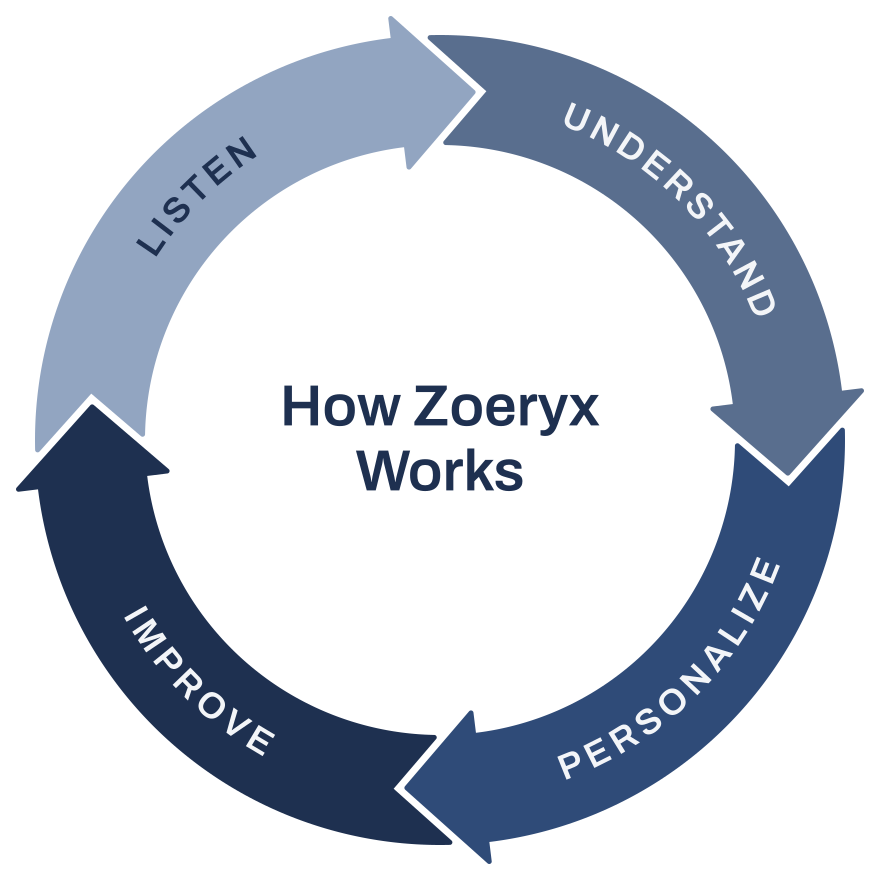
Every Zoeryx pathway starts with listening to how you feel and understanding your biology to build a personalized treatment plan to help improve how you feel. Learn about Era One
What are the treatment options for perimenopause and menopause?
Perimenopause and menopause treatment is about getting your sleep, mood and comfort back, so the transition stops running your days. Hormone therapy is the main option for hot flashes and night sweats, with vaginal estrogen for dryness and non-hormonal prescriptions when you prefer them. For most women, experts agree hormone therapy helps control moderate to severe symptoms when started before 60 or within 10 years of menopause.[3] If you’re past that window, there are still options that may be right for you, and your plan depends on your symptoms, stage and health history.
| Approach | How it may help | Often a fit for |
|---|---|---|
| Hormone replacement therapy (HRT): patch, cream, gel or oral | Steadies the hormones that swing and fall, which can ease hot flashes, night sweats and sleep disruption | Moderate to severe symptoms, when it fits your health history |
| Vaginal estrogen | Can ease dryness and discomfort by treating vaginal tissue directly, with little reaching the rest of the body | Dryness, discomfort or painful sex |
| Testosterone therapy for women (injection or cream) | Can support sexual desire when low testosterone is part of the picture | Low desire that persists after other causes are addressed |
| Non-hormonal prescriptions | Medications that can reduce hot flashes without hormones | Women who can’t or prefer not to use hormones |
| Thyroid support | Treating an underactive thyroid can ease the fatigue, brain fog and weight changes it shares with perimenopause | Fatigue, weight gain or brain fog with thyroid labs out of range |
| GLP-1 medications | Help regulate appetite and blood sugar as midlife changes how your body stores fat | Weight gain around the middle or insulin resistance that started with the transition |
| Strength, nutrition and sleep | Protects muscle, bone and heart health as estrogen falls, and steadier sleep eases many other symptoms | Every woman, through every stage |
How Zoeryx brings it together
When your symptoms and history support it, our core path is hormone replacement therapy, adjusted as you move through each stage. Vaginal estrogen, testosterone or non-hormonal options are added when they fit your symptoms, and thyroid or metabolic care when your labs point to them. Your plan also looks after your bone, muscle and heart health, which estrogen helped protect before menopause.
Your labs are drawn first at a site near you, then your provider meets you by video, and treatment ships to your door.
Good to know
Hormone therapy isn’t right for everyone, including women with a history of breast or uterine cancer or blood clots.[3] Your provider reviews your history with you before recommending it.
When should you see a provider about perimenopause?
See a provider when symptoms disrupt your sleep, work, mood or relationships. You don’t need to wait for your periods to stop. Get care in person promptly for any bleeding after menopause, bleeding that soaks a pad or tampon every hour, new bleeding between periods, chest pain, or thoughts of harming yourself.
Can perimenopause start in my 30s?
Yes. Perimenopause most often begins in your mid-40s, but it can start as early as your mid-30s.[2] If your cycle, sleep, mood or energy have changed and nobody has mentioned perimenopause, it’s worth asking.
Is hormone therapy safe?
For many healthy women, yes. The Menopause Society says the benefits outweigh the risks for most women who start hormone therapy before age 60 or within 10 years of menopause to treat moderate to severe symptoms.[3] It isn’t right for everyone, including women with certain cancers or a history of blood clots, so your provider weighs your personal history with you.
Is perimenopause a hormone imbalance?
Perimenopause is a natural transition, not a disease, but the swings in estrogen and progesterone can feel like a hormone imbalance: hot flashes, poor sleep, mood changes and weight shifts. Many women searching for hormone imbalance symptoms are in perimenopause. Labs plus your symptoms show what’s changing.
Frequently asked questions
Can perimenopause be treated through telehealth?
Yes. Your care happens online, and your consultation with a provider is by live video. If therapy is part of your plan, it’s shipped directly to your door, and your care team stays with you over time, adjusting your plan as you go.
Do you offer hormone therapy for women?
Yes. When your symptoms and history point to it, hormone therapy may be part of your plan. Your provider explains the options, whether they fit your health history and how your plan will be monitored and adjusted over time.
My labs came back normal. Why do I still feel this way?
Because perimenopause can’t be ruled in or out by one blood test. Hormones swing day to day, so a single result can look normal while you feel anything but. We start with your symptoms and use labs to fill in the picture.
Do I need labs before my first visit?
Yes. Hormone care starts with Era One, which includes a comprehensive health and hormone panel, so your provider sees the full picture before recommending anything.
Do I have to wait until my periods stop?
No. Many of the hardest symptoms happen in perimenopause, years before periods stop. You don’t need to wait for menopause to get help.
How is Zoeryx different from my primary care doctor?
Primary care is essential, and we don’t replace it. We go deeper on perimenopause and menopause: more time to listen, a wider panel of labs and a provider who adjusts your plan as you change. Many patients keep their primary care doctor and use Zoeryx alongside.
Is Zoeryx covered by insurance?
Zoeryx is a cash-pay practice and doesn’t bill insurance. That lets us spend the time your care deserves, look deeper than a standard visit allows and build a plan around you, not around coverage rules.
Your next era starts with your biology.
Personalized health care begins with understanding where you are today. We’ll help you connect the dots, build a plan around your goals, and track your progress over time.
Start with Era One.
Complete your health intake and book Era One, which includes your comprehensive lab panel and extended one-on-one provider consultation for one payment.
Get your labs drawn.
Visit a Quest Diagnostics location near you for your blood draw. Your results provide the foundation for a deeper look at your health and are available to you and your provider.
Meet your provider.
A one-on-one video visit to review your results, discuss your symptoms and goals, and build a personalized care plan around your health and priorities.
Start your plan.
Your prescribed therapies arrive discreetly at your door from licensed pharmacies, with clear instructions for getting started.
A plan that changes as you do.
Your biology keeps changing, so your care should evolve with it. We monitor your progress, check in on how you’re feeling, review your labs as appropriate, and adjust your plan as your needs change.
References
1. National Institute on Aging. What is menopause? www.nia.nih.gov/health/menopause/what-menopause
2. Cleveland Clinic. Perimenopause: age, stages, signs, symptoms and treatment. my.clevelandclinic.org/health/diseases/21608-perimenopause
3. The Menopause Society. Menopause topics: hormone therapy. menopause.org/patient-education/menopause-topics/hormone-therapy
4. Avis NE, et al. Duration of menopausal vasomotor symptoms over the menopause transition. JAMA Intern Med. 2015;175(4):531–539. doi.org/10.1001/jamainternmed.2014.8063
5. Greendale GA, et al. Effects of the menopause transition and hormone use on cognitive performance in midlife women. Neurology. 2009;72(21):1850–1857. doi.org/10.1212/WNL.0b013e3181a71193